

From OHC, Specialists in the Treatment of Adult Cancers and Blood Disorders
December 6, 2019
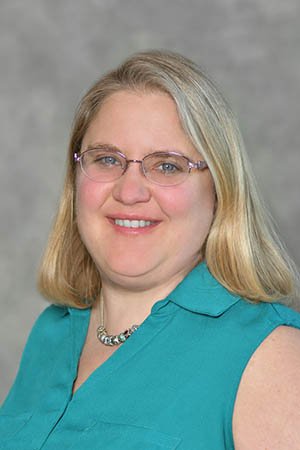
Laura Weldishofer, DNP, Advanced Practice Provider at OHC
The cancer experts at OHC want their patients to enjoy the holiday season with their families and friends, so they’re providing some suggestions to make the holidays easier and more enjoyable for your loved one with cancer.
The holidays can wear even the healthiest person out. There is shopping to do, food to cook, cards to mail, a house to be cleaned, decorations to be hung, and the list goes on. If you or someone you love has cancer, these tasks could be a little overwhelming.
“One of the most common issues for cancer patients is fatigue,” said OHC’s Laura Weldishofer, DNP, Advanced Practice Provider at OHC’s offices in Kenwood and Eastgate. “Even though they are deeply exhausted, they still want to enjoy the holidays like everyone else. One idea is for those whose family member looks forward to putting up decorations: take the grandchildren over to hang them together, and then maybe watch a movie together. They still enjoy their favorite part of the holidays and spend time with their loved ones.”
Another holiday task that can be daunting is shopping.
“It’s easy to do holiday shopping online, but if your loved one enjoys going to stores, you could offer to take them shopping. If they love wrapping gifts, you can offer to do the shopping for them, and then when you get home, make their favorite holiday beverage and wrap the gifts together if they feel up to it. This helps them complete the task but more importantly, the two (or more) of you get to spend time together. Most likely you’ll be helping them with their to-do list as well as providing emotional support,” Laura said.
Holidays dinners are another tradition that may be challenging for your loved one with cancer.
“When someone is receiving treatment, it may affect their sense of taste,” said Laura. “Food may lack flavor or taste too sweet, salty or metallic, or they may not experience any difference. I recommend you ask your family member if there’s anything special they’d like and quietly include it as part of the meal. It’s important when serving food, don’t automatically point out that you prepared special foods for them. This could make them feel awkward or burdensome. Instead, just include it with the rest of your meal. Your loved one will know what to choose and what to avoid without any unwanted attention. Not only will this reduce any food-related stress, it’s also another opportunity to show support. And you can focus on your time together instead of what’s on the table.”
“I’ve learned from my patients that what they want most during the holidays is to spend time with you. They want to talk and laugh and hug and relish the moment. It’s an opportunity for them to take a break from cancer and enjoy their favorite people,” Laura added.
If you want to make your celebrations easier for your loved one with cancer but not sure where to start, OHC recommends you contact one of the many cancer support organizations. They can help you understand your family member’s situation, how they may be feeling and what you can do to support them, not only during the holidays, but throughout their entire cancer journey. Click here for a downloadable list OHC has created with organizations and the services they offer.

