
From John Sacco, MD, a radiation oncologist with OHC who is also board certified in Integrative and Holistic Medicine
August 1, 2018

I am a radiation oncologist who works with a team of cancer experts to treat patients with cancer. I’m also board certified in Integrative and Holistic Medicine, which means I believe in a person-centered, team-based approach to health care. One component of this approach is lifestyle choices, and this includes what we eat. Research has taught us that good nutrition is critical for improving outcomes and reducing healthcare costs.
I also happen to be Italian. Pasta is in my DNA. As I began my studies in holistic medicine, I feared the food of my ancestors would become a foe in my health and medical teachings. I happily learned that my fear was all for naught.
Medical News Today reported that a recent study found that people on a low glycemic index (GI) diet still lost weight when they ate pasta. The study concluded that pasta did not cause any weight gain or increases in body fat. (A low GI diet means eating carbohydrates that are less likely to cause large increases in blood sugar levels.) In fact, whole-grain pasta is one of the foods that make up the Mediterranean diet, which is a nutritional approach that many doctors and dietitians recommend for better weight control and a lower risk of disease.
So you can enjoy your vermicelli as long as you maintain a healthy weight, and that means we must watch our portion sizes, avoid sauces and those delightful add-ons that accompany typical pasta dishes.
Pasta, obesity and cancer
If you are overweight or obese, you are at higher risk of developing serious health problems, including heart disease, high blood pressure, type 2 diabetes and certain cancers. There is consistent evidence that higher amounts of body fat are associated with increased risks of a number of cancers, including: endometrial, liver, kidney cancer, pancreatic, colorectal, breast, gallbladder, ovarian, thyroid, multiple myeloma, esophageal adenocarcinoma and gastric. The percentage of cancer cases attributed to overweight or obesity varied widely for different cancer types but was as high as 54% for gallbladder cancer in women and 44% for esophageal adenocarcinoma in men. Again, it’s important to control your weight.
Portions and sauces and bread, oh my!
We’ve been given the approval to eat our pasta. Now we have to be mindful to ensure it doesn’t add up to too many calories.
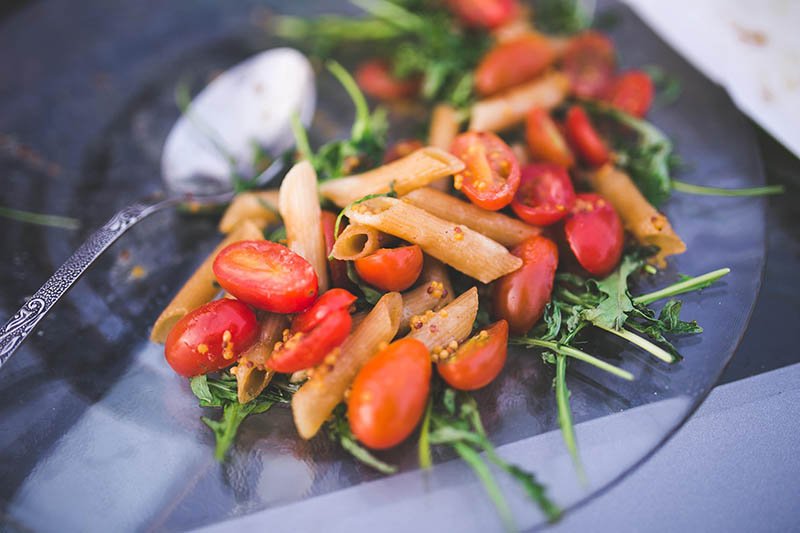
About one half cup of pasta or one-fourth of the space on your plate is a good-for-you serving size. Use whole grain pasta because it uses the entire wheat kernel, which means that the nutrients remain in the pasta, along with fiber and other beneficial components. Avoid high sugar, high fat sauces (also known as “gravy” in some Italian families), as well as spoonfuls of cheese, too much oil and an abundance of garlic bread.
Also, unless a person has a gluten sensitivity or celiac disease, there is no evidence that a gluten-free diet offers any health benefits. In fact, studies show that many types of gluten-free pasta and other gluten-free products can be more expensive and tend to be lower in fiber and protein, and higher in sugar and fat than regular foods.
So the good news is that we can all enjoy pasta as long as we remember how to healthfully incorporate it into our diet. I think Food Network star and Chef Giada De Laurentiis said it best: “Pasta doesn’t make you fat. How much pasta you eat makes you fat.” Godere!
Sources: OHC, National Cancer Institute and Medical News Today.
