
From Angela Hummel and the American Institute for Cancer Research
April 20, 2018
 April is Oral Cancer Awareness Month. To raise awareness and provide education on oral cancer, we’re sharing tips on cancer prevention and caring for your mouth during treatment from a blog by Angela Hummel and the American Institute for Cancer Research.
Your mouth is the first contact with food and because of that very reason it is an important area to focus on before, during, and after cancer treatment. The tissue inside the mouth and on the tongue are highly susceptible to damage from chemotherapy, bone marrow transplant, and head and neck radiation because the cells have short lifespan of three-to-seven days.
You can help prevent serious oral problems during or after treatment, see your dentist approximately one month before starting treatment.
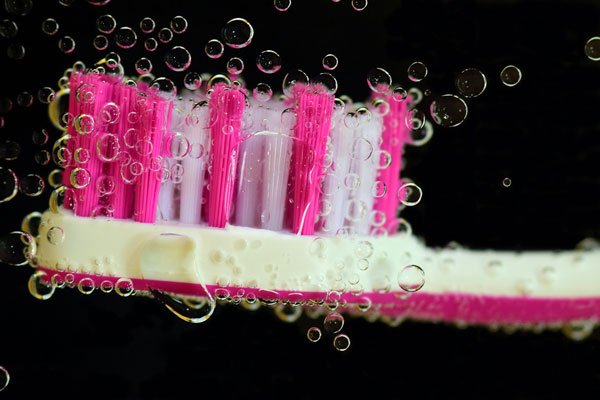
During treatment, daily oral hygiene will be important. Many times, I see people begin to neglect oral cleaning due to pain and discomfort. I encourage individuals to brush with a soft bristle brush and floss gently at least twice per day to help prevent infections and long term dental problems. If necessary, soften the bristles of your tooth brush by soaking it in warm water before you brush or use a soft bristle children’s brush. Before, during and after treatment, it is important to consume adequate calcium and vitamin D to help maintain the structure of teeth and jaws. Food is the best source of calcium and vitamin D, but if you are dealing with weight loss from inadequate calorie intake, discuss supplemental forms of calcium and vitamin D with your healthcare team.
Damage to the tissue inside the mouth can develop as soon as seven days after starting treatment. I see people dealing with changes in taste, dry mouth, pain and inflammation from their cancer treatment.
Mouth and chewing pain, taste changes and dryness can significantly impact the ability to eat nutritious foods that promote healing. Expect your healthcare team to inspect the inside of your mouth. In the clinic, this is a routine practice for me. I inspect the inside of the mouth and tongue looking for signs of nutritional deficiencies, infection, mucositis and ulcerations. Treatment of these symptoms can lead to better overall nutritional status and improved treatment tolerance.
Generally, oral symptoms will start to improve four-to-six weeks after treatment has completed but could take six months or longer for your mouth to heal. During this period of time, I encourage people to continue daily dental care even though this may be a time of significant irritation and pain. During healing, it is important to strive for a nutrient dense diet to help with tissue healing and repair.
It may be necessary to alter your food choices for a long period after treatment has completed. Many people who have completed cancer treatment for oral cancer experience long-term side effects like dry mouth, taste alterations, changes in their ability to chew and swallow like normal and bone loss. Foods may need to be soft, moist and/or chopped small for ease of eating. During and after completion of cancer treatment, many survivors of oral cancer rely on puddings, custards, milkshakes and supplemental nutrition drinks. Instead strive for nutrient-dense choices by incorporating plant-based food into your meals. Do not allow your diet to become limited with energy-dense choices that are lacking nutrients. For example, try Mango Carrot Ginger Smoothie (recipe) or Sweet Potato Bean Soup (recipe below) instead of a vanilla milkshake.
If you would like more information about care during treatment for oral cancer, call OHC at 1-888-649-4800. Angela Hummel is a specialist in oncology nutrition and a consulting dietitian for AICR. She works at a cancer center in Danville, Pennsylvania.
RECIPE: Carrot-Mango Ginger Smoothie
Ingredients:
1/2 cup cooked carrots, sliced
1/2 cup fresh or frozen mango
1/2 cup chopped apple
1/2 cup coconut water
1/4 cup 100% orange juice
1/4 cup water
3-4 ice cubes
1/4 teaspoon fresh grated ginger
1-2 teaspoons agave nectar (optional)
Directions:
Place all ingredients in a blender and blend at least one minute or until completely smooth. Makes 1 serving
RECIPE: Smokey Black Bean and Sweet Potato Soup
Ingredients:
1 teaspoon olive oil
1/2 yellow onion, chopped
2 cloves garlic, minced
3 cups peeled and diced sweet potato, 1/4 inch diced
3 cups cooked black beans, or two 15-ounce cans drained
3 teaspoons cumin
1 teaspoon paprika
1/4 – 1/2 teaspoons smoked paprika
1 1/4 teaspoon salt
1/4 teaspoon black pepper
3-4 cups vegetable stock, depending on how thick you want your soup
Directions:
Heat olive oil in a large pot over medium heat. Add onions, a pinch of salt and stir for 3 minutes. Then add garlic and stir for 30 seconds. Add sweet potato, black beans, and all the spices. Stir and cook for 2 minutes. Add stock, bring to a boil, reduce to a simmer and simmer for about 20 minutes, or until sweet potatoes are cooked through.
Using a cup or soup ladle, scoop out 2 cups of the sweet potato and black beans and set aside. Let soup cool and then using an immersion blender, blender, or food processor blend the remaining soup together. Turn the heat back on and add back in the reserved sweet potato and black beans. Heat soup, stirring occasionally, until hot. Serve with your favorite garnishes: cilantro, red onion, avocado, tortilla strips, salsa, etc.
