
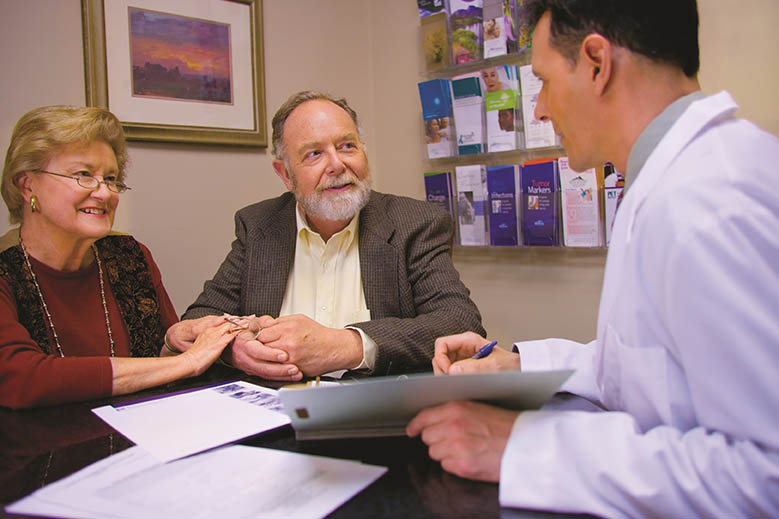
From Prasad R. Kudalkar, MD, a medical oncologist/hematologist with OHC. Source: National Cancer Institute
June 11, 2018

Prasad R. Kudalkar, MD, Medical Oncologist/Hematologist with OHC
The end of cancer treatment is often a time to rejoice. Most likely you’re relieved to be finished with the demands of treatment. You may be ready to put the experience behind you and have life return to the way it used to be. But for many survivors, there is no returning. Life is different.
“Everything is different now. The way I view my life and the world around me. I don’t think I’ll ever be the same,” said a cancer survivor.
Typically, survivors have to adjust to new feelings, new problems, and different ways of looking at the world. And it’s very common to be thinking about whether the cancer will come back and what happens now.
“The nurses told us that from this point on, we will refer to everything as either ‘before cancer’ or ‘after cancer’ and they were right,” added a family member of a cancer survivor.
What happens next?
One of the hardest things after treatment is not knowing what happens next. Those who have gone through cancer treatment say it’s not so much “getting back to normal” as it is finding out what’s normal for you now. People often say that life has new meaning or that they look at things differently. Whatever your new normal may be, give yourself time to adapt to the changes. Take it one day at a time.
- Find ways to help yourself relax. Relaxation exercises have been proven to help people with stress and may help you relax when you feel worried. Meditation and yoga also help reduce stress.
- Talk to others. Sharing your feelings with friends and family may help you feel better and realize that you’re not alone. You can also join a support group to talk to others who are having the same fears.
- Exercise. Moderate exercise (examples: walking, biking, swimming) can help reduce anxiety and depression. It also may improve your mood and boost your self-esteem.
- Eat a healthy diet. Talk to a dietician or nutritionist about the foods you should eat to stay healthy and maintain your strength.
“I started eating a plant-based diet after my treatment ended. I do allow myself some seafood but it’s mostly plant-based. I feel good because I’m making an intentional change to improve my health and maybe future cancer,” said a 60-year-old breast cancer survivor.
- Seek comfort from spirituality. Many survivors have found their faith, religion, or sense of spirituality to be a source of strength.
- Give back. Some people like to channel their energy by volunteering and helping others. It gives them a sense of meaning and lets them turn their attention on others.
“For me, giving back was natural, automatic. I was so grateful for what everyone had done for me, I wanted to give back as soon as possible. I volunteered at a camp for kids with cancer and I raised money for cancer research,” explained a 25-year-old testicular cancer survivor.
- Take part in clubs, classes, or social gatherings. Getting out of the house may help you focus on other things besides cancer and the worries it brings.
Medical Follow-Up Care
All cancer survivors should have follow-up care. Follow-up care for cancer means seeing a health care provider for regular medical checkups once you’re finished with treatment. These visits are a time to check for physical and emotional problems that may develop months or years after treatment ends.
When you receive your follow-up care plan from your doctor or other health care provider, answers to the questions below should be provided. Make sure to ask any other questions you may have:
- How long will it take for me to get better and feel more like myself?
- Which doctor(s) should I see for my follow-up care? How often?
- What symptoms should I watch out for?
- What tests do I need after treatment is over? How often will I have them?
- What are long-term health issues I might expect as a result of my cancer treatment?
- What is the chance that my cancer will return?
- What records do I need to keep about my treatment?
- What can I do to take care of myself and be as healthy as possible?
- Can you suggest a support group that might help me?
You might find it helpful to write these questions down. When you meet with the doctor or follow-up care specialist, you can take notes or record your talks to refer to later.
“I downloaded an app on my phone so I could record what my doctor said. I knew it would be a lot of information and I wouldn’t remember all of it. I’m so glad I did because I have since referred back to the recordings for information about my care,” said a 46-year-old breast cancer survivor.
Coping with Fear of Recurrence
When cancer treatment is over, patients are often faced with mixed emotions. While there is happiness and relief that come with the end of treatment, survivors may also feel fear and anxiety. Probably the most common fear is that the cancer will come back (a cancer recurrence).
“A year after my treatment ended, my mammogram showed something. I thought, ‘Again? What am I going to do now?’ Turns out it was nothing, but my initial thoughts were all over the place. I felt fear, anger, dread, disbelief. I was a bag of emotions,” said a 60-year-old breast cancer survivor.
Fear of recurrence is normal and often lessens over time. However, even years after treatment, some events may cause you to become worried. Follow-up visits, certain symptoms, the illness of a loved one, or the anniversary date of the date you were diagnosed can all trigger concern. One step you can take is to be informed. Even though you can’t control whether or not your cancer recurs, there are steps you can take to help cope with your fears.
- Talk to your health care team. Let your health care team know your concerns. Be honest about the fears of your cancer coming back so they can address your worries. Your health care team can give you the facts about your type of cancer and the chances of recurrence.
- Know that it’s common for cancer survivors to have fears about every ache and pain. Talk to your health care team if you’re having a symptom that worries you. Just having a conversation with them about your symptoms may help calm your fears.
- Keep notes about any symptoms you have. Also take notes about any anxiety you feel. Write down questions for your health care team before follow-up visits so you can be prepared to tell them what you’ve been going through since your last check-up or conversation.
- Talk to a counselor. If you find that your fears are more than you can handle, ask for a referral for someone to talk to. If thoughts about cancer recurrence interfere with your daily life, you might feel better seeing a counselor or therapist.
- Make sure you have a follow-up care plan. Having a plan may give you a sense of control and a way to feel proactive with your health after treatment.
Families and recovery
When treatment ends, families are often unprepared for the fact that recovery takes time. In general, your recovery will take much longer than your treatment did. Survivors often say that they didn’t realize how much time they needed to recover. Common problems with loved ones:
- People expect you to do what you did before your cancer. For instance, if you used to take care of the house or yard before your treatment, you may find that these jobs are still too much for you to handle.
- You may expect more from your family than you receive. They may disappoint you, which might make you angry or frustrated. For example, you may get less attention and concern than you did during treatment.
- You may still need to depend on others during this time. Even though you want to get back to the role you had in your family before, it may take a while to get into a routine.
At the same time you’re going through these things, your family is still adjusting too. It may be hard for all of you to express feelings or know how to talk about your cancer.
“My daughter was diagnosed with cancer when she was eight years old. She’s now 21 and every time she feels nauseated or has an ache, I worry that it’s cancer again,” said the mom. “She doesn’t worry much at all but I’ll never be completely free from worry. When she’s 50 and has cold symptoms, I’ll still be worried it’s cancer.”
It’s also important to help the children in your family understand that it may take a while for you to have the energy you used to have now that you are finished with treatment. Be open about what you can and can’t do. You don’t have to tell your kids about every checkup or every symptom that occurs, but do tell them if you still have side effects that make certain things hard for you to do.
Helping You Move Forward
The National Cancer Institute created a book for people who have completed cancer treatment called, Facing Forward: Life After Cancer Treatment. Your family and friends may also want to read it. This book covers:
- Your new normal after treatment
- Getting follow-up medical care and how to talk with your doctor
- Following a care plan and changes to make for health and wellness
- Ways to manage physical changes from cancer or the disease
- Body changes and intimacy issues after treatment
- Coping with your feelings
- Going back to work and relating with friends and coworkers
You may want to show this booklet to the people who are close to you so they understand what life is like after cancer treatment. Take it with you to doctor visits to discuss the content with your health care team, especially the follow-up care sections. For a copy, visit www.cancer.gov.
