

The fear of the unknown is the biggest barrier that stops people from getting a colonoscopy. This is serious because colonoscopies save lives every day. In recognition of Colon Cancer Awareness Month, we’re answering the most commonly asked (Read More)
Should All Women Get Screened for Ovarian Cancer?
March 1, 2018

A recent report from the United States Preventive Services Task Force reveals the pros and cons of ovarian cancer screening for women at an average risk of developing the condition. Most women should not get screened for ovarian cancer unless they (Read More)
What is a Cancer-Protective Diet?
February 27, 2018

The American Institute for Cancer Research’s (AICR) Cancer Prevention Awareness Survey found that less than half of Americans know what a cancer protective diet looks like, yet research shows that eating plenty of plant foods and less red meat can (Read More)
Easing the Anxiety Associated with the Cost of Cancer Care
February 26, 2018

For people who have been diagnosed with cancer, the disease is just one of the many issues they face during their challenging journey. There is so much information regarding their diagnosis, tests, treatment options, medications, symptoms, office (Read More)
What is Genetic Testing and Why is it so Important?
February 20, 2018

Your grandmother had breast cancer. Your uncle had breast cancer. Your mom had ovarian cancer. Is it a coincidence or could there be something in your family’s genes that is at the root of all this cancer? The answer is yes. If your ancestors had (Read More)
One Injection Could Kill Cancer
February 15, 2018

Scientists experimenting with an innovative treatment for cancer have now devised a targeted injection that has already successfully eliminated tumors in mice. “Researchers have been looking at the ability to treat tumors using an injection (Read More)
COA: Analysis Shows Ohio Hospitals Benefit From Recent Changes in Medicare Payment
February 13, 2018

All Ohio Hospitals Will See $52 Million More in Payments from Recent Increases in Medicare Part B Reimbursement and 340B Program Changes Hospitals in Ohio, especially those in rural areas, will benefit from recent changes to Medicare payments, (Read More)

According to the National Cancer Institute, approximately 39 percent of men and women will be diagnosed with some type of cancer in their lifetime. For those who unfortunately are, one of the first things you should discuss with your doctor is a (Read More)
The History Behind the Development of CAR-T Cell Therapy: These Advancements are Changing the Way Many Cancers are Being Treated
February 8, 2018

Targeting therapy against cancer cells to avoid damage to healthy cells began in 1977 with tamoxifen. The tamoxifen blocked estrogen receptors on breast cancer cells resulting in cell death. Antibodies are made by our immune system to remove (Read More)
Why Does The Risk Of Getting Cancer Increase As We Get Older?
February 8, 2018

Age is the biggest single risk factor for cancer. Risk increases significantly after age 50, and half of all cancers occur at age 66 and above. According to the National Cancer Institute, one quarter of new cancer diagnoses are in people aged 65 to (Read More)
Valentine's Day Ideas for Your Cancer Patient
February 6, 2018

Each year, Americans spend billions of dollars on gifts to show their love and appreciation for their special Valentine. But this may be challenging if your loved one has cancer. He or she may not feel like going out to dinner, or chemo has affected (Read More)
Valentine's Day Ideas for Your Cancer Patient
February 6, 2018
Each year, Americans spend billions of dollars on gifts to show their love and appreciation for their special Valentine. But this may be challenging if your loved one has cancer. He or she may not feel like going out to dinner, or chemo has affected (Read More)
Cancer Prevention Month: How Smarter Cancer Prevention Is Helping More Americans Beat the Odds
February 6, 2018
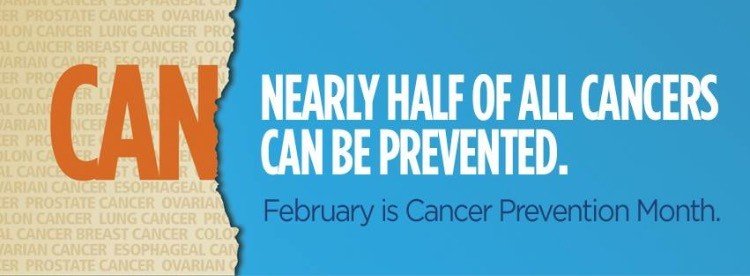
Last month, OHC shared the good news that the death rate from cancer in the U.S. dropped 26 percent since 1991. Even better news: Improved prevention and screening tactics could help bring those numbers down even more. Here’s what’s making a (Read More)
Fish-Derived Omega-3 Best for Preventing Cancer
February 1, 2018

Study suggests that women could reap the rewards of EPA and DHA omega-3s by consuming two to three servings of fatty fish per week to combat a highly aggressive form of breast cancer. When it comes to breast cancer prevention, studies have shown (Read More)
Exercise May Increase Lifespan After Breast Cancer Treatment
January 29, 2018

A new study explains how aerobic and resistance exercise can increase life expectancy for individuals who have successfully finished breast cancer treatment. Regular exercise could increase life expectancy for cancer survivors, study shows. According (Read More)
