
Don’t Let Acid Reflux Lead to Cancer
July 25, 2018

According to the American College of Gastroenterology, 60 million Americans report having heartburn at least once a month, and some studies report that more than 15 million Americans have symptoms every day. Heartburn or acid indigestion is (Read More)
What are the first symptoms of ovarian cancer?
July 18, 2018

It is often difficult to diagnose ovarian cancer in its early stages because the symptoms are similar to those of other conditions. Anyone who experiences unexplained abdominal symptoms that last for more than two weeks should see a doctor. Ovarian (Read More)
Sarcoma: The Forgotten Cancer
July 17, 2018

“At age 39, I noticed a small lump about the size of a quarter in my lower abdomen. I had some previous surgery in that area and assumed it was scar tissue. Since it wasn’t causing any pain or issues, I didn’t go to the doctor. That same (Read More)
Drug Could Reduce Solid Tumor Growth
July 11, 2018

For people with advanced, metastasized solid tumors, a clinical trial available through OHC (Oncology Hematology Care) is evaluating a drug that could reduce tumor cell growth. Sitravatinib (MGCD516) is being tested in clinical trials to determine (Read More)
Changing the Misconceptions About Palliative Care
July 10, 2018

I believe palliative care is a wonderful benefit for cancer patients. I think more patients would take advantage of its benefits if there weren’t so many misconceptions about this service. I’d like to try to change this. I would like people to (Read More)
LLS & Vaccines
July 10, 2018

Did you know that one area that the Leukemia & Lymphoma Society (LLS) is heavily involved in is the pioneering research in immunotherapy, specifically in the area of vaccines. One of the visionary minds in this field is Dr. Ron Levy from (Read More)

Growing up in northern New Jersey, the fourth of July holiday was pretty typical, almost formulaic: cookout, fireworks and ice cream. And it was great. My Italian grandparents would come out from Brooklyn for the holiday weekend. My Swedish (Read More)

A major trial has demonstrated, for the very first time, that the immunotherapy drug pembrolizumab (Keytruda) is effective in treating advanced prostate cancer that did not respond to other treatments. Immunotherapy is a form of treatment that can (Read More)

The PAXMAN Scalp Cooling System has now been cleared by the US Food and Drug Administration (FDA) to prevent hair loss in patients with solid tumors such as ovarian, breast, colorectal, bowel and prostate cancer. The FDA originally cleared the scalp (Read More)
We often hear the words “independent” and “hospital-based” doctors. What does that mean and where does OHC fit in? OHC is an independent group of doctors, which means they are not owned by a hospital system. OHC runs its own practice and has (Read More)
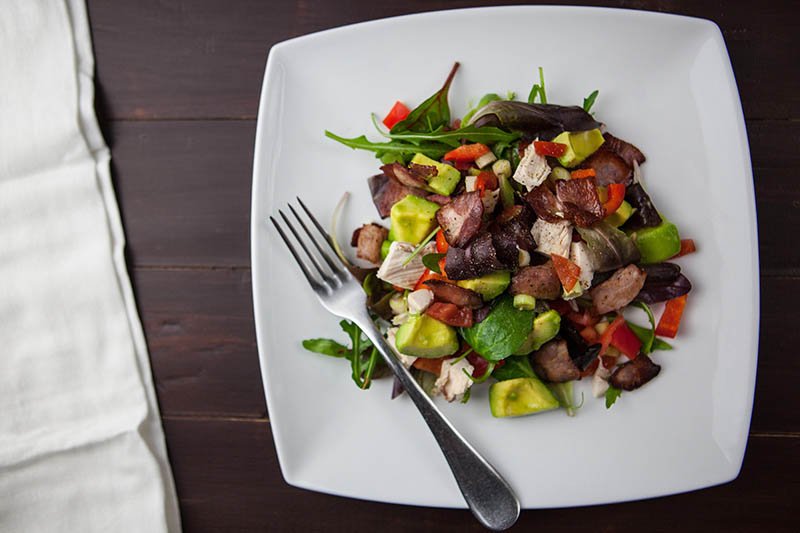
Adhering to a diverse diet and consuming “foods in moderation” may be enough to slash cancer survivors’ death risk by 65 percent, suggests a new study. A growing body of evidence is suggesting that diets influence the outlook of (Read More)
OHC Joins Mayfield Brain & Spine and The Jewish Hospital - Mercy Health in the launch of a new Brain Tumor Center
June 12, 2018
Thanks to a new partnership, patients now have access to a full range of treatment options for tumors of the brain and central nervous system. OHC, the region’s premier source of treatment for nearly every form of adult cancer and complex blood (Read More)
You've Survived Cancer. Now What?
June 11, 2018

The end of cancer treatment is often a time to rejoice. Most likely you’re relieved to be finished with the demands of treatment. You may be ready to put the experience behind you and have life return to the way it used to be. But for many (Read More)
The Center of Attention
June 8, 2018

Under Medicare’s new oncology care model, patient-centric treatment aims to save money while improving health outcomes. Cancer care is evolving into a more patient-centered system that strives to improve quality of care and outcomes while reducing (Read More)
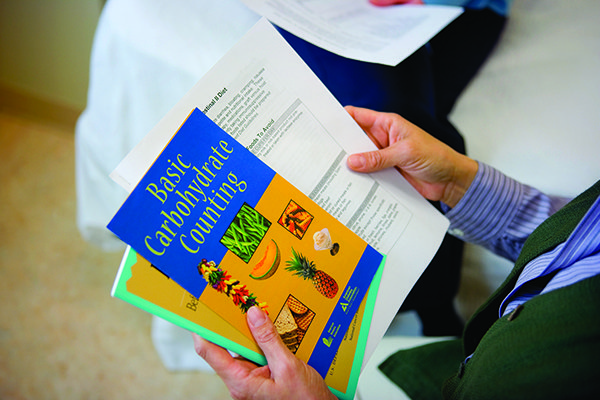
New research now suggests that consuming less dietary fat after being diagnosed with breast cancer may significantly improve a person’s survival rate. Estimates show that around 1 in 8 women in the United States will be diagnosed with invasive (Read More)
