
OHC is evaluating a promising new treatment for metastatic HER2-positive breast cancer
October 29, 2020

One of every five breast cancers are HER2-positive breast cancers. This type tends to grow and spread faster than other breast cancers but are much more likely to respond to treatments that target the HER2 protein. A recent study reported that women (Read More)
Three Things to Know Before You Cancel Your Mammogram
October 23, 2020

More than six months into the COVID-19 pandemic, fears are growing about the long-term impact on cancer rates. Put simply, Americans are skipping their screenings and the potential consequences are a major concern of OHC’s breast cancer experts. (Read More)

For many women diagnosed with ovarian cancer, their initial treatment, which typically includes chemotherapy, will stop the cancer’s growth. Unfortunately, many of these patients later experience a relapse. Even though the chemotherapy initially (Read More)

In the past 40 years, the number of cases of cervical cancer and the number of deaths from cervical cancer have decreased significantly. This encouraging trend is due in large part to early detection through Pap tests, the recent introduction of the (Read More)
OHC is Helping Change the Lives of Patients with Breast Cancer through Clinical Trials
October 12, 2020

Breast cancer is no longer the most common cancer for women in the United States. This is due to decades of efforts like Breast Cancer Awareness Month that have increased awareness of the benefits of breast cancer screenings and self-exams, which (Read More)
OHC doctors are evaluating two new treatments for classic Hodgkin lymphoma that may offer fewer, milder side effects.
October 8, 2020

Classical Hodgkin lymphoma (CHL) is considered a highly treatable blood cancer. Advancements in diagnosis and treatment have helped give people with this disease the chance for a full recovery. However, 20 percent of CHL patients do not respond (Read More)
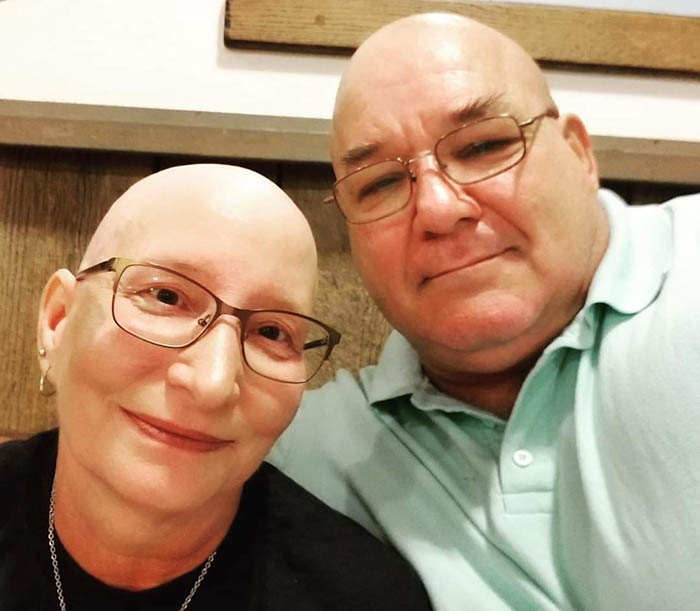
For women who receive a breast cancer diagnosis, OHC will lead you through your cancer journey and surround you with the treatments and services you need to beat your disease. Some patients may experience fatigue and nausea from the treatment, which (Read More)

Paige Shapiro is one of the fortunate ones. She has survived ovarian cancer. This year in the U.S., approximately 14,000 women will not be as fortunate as Paige. They will lose their battle with ovarian cancer, mostly due to the lack of an early (Read More)
OHC is helping tackle the ongoing challenges of ovarian cancer
September 30, 2020

During my career as a gynecologic oncologist with OHC, my colleagues and I have seen some remarkable advancements in the treatment of ovarian cancer. This includes the introduction of robotic-assisted surgery, new FDA-approved drugs, and promising (Read More)
Cancer Doctors Warn Thirty-somethings: Be Aware of Testicular Cancer
September 25, 2020

Testicular cancer is one of the most commonly diagnosed cancers in young adult men, particularly between ages 30 to 39. If the cancer hasn’t spread, the survival rate is 99%. However, once it has spread to other organs, the survival rate drops to (Read More)
Cancer Experts at OHC are Evaluating a New Treatment for Older Adults with Acute Myeloid Leukemia
September 22, 2020

Although acute myeloid leukemia (AML) accounts for only about one percent of all cancers, it can be deadly if not treated. Approximately two out of three people with AML who receive standard chemotherapy go into remission. The chance of remission (Read More)
OHC is Offering a New Treatment for Men with Advanced Prostate Cancer
September 14, 2020

Prostate cancer is the second most common cancer among men. The good news is that approximately 90 percent of prostate cancers are diagnosed in early stages and the survival rate at this stage is nearly 100 percent. But for the patients who are (Read More)
OHC Evaluating New Treatment for Older Adults with Hodgkin Lymphoma
September 10, 2020

Survival rates for patients with Hodgkin lymphoma have improved in the past few decades, largely due to advancements in treatment. The five-year relative survival rate for all patients diagnosed with Hodgkin lymphoma is now approximately 87 percent. (Read More)
Local Doctors Are Evaluating a Promising New Treatment for Kidney Cancer
September 10, 2020

The American Cancer Society estimates that approximately 25 percent of people diagnosed with kidney (renal) cancer in the U.S. will die from the disease. This number has not changed for many years. One reason patients with renal cancer are not (Read More)
OHC Is Helping Raise Awareness of Ovarian Cancer
August 31, 2020

September is Ovarian Cancer Awareness Month and, as a proud sponsor of the Ovarian Cancer Alliance of Greater Cincinnati annual walk, OHC is taking this opportunity to help the Alliance raise public awareness of the signs and symptoms of and (Read More)
