

If you are a cancer patient or a survivor, most likely your doctor has recommended that you exercise. Studies show that cancer patients who exercise are less tired than patients who don’t exercise. And they also experience less depression and (Read More)
Make the Holidays a Little Easier
December 3, 2018

The holidays are often billed as the most wonderful time of the year. The season brings to mind delicious food, shopping, and parties. Of course, all the fun comes with a lot of stress – and that’s without adding cancer into the mix. Cancer (Read More)
New approaches are giving patients with brain metastases a new outlook on survival
November 30, 2018

Most brain tumors start elsewhere in the body, as cancer of the lungs, breasts, colon, kidneys and melanoma (skin cancer) and spread to the brain. This is known as brain metastasis. In the past, patients who were treated with steroid therapy (Read More)
Giving Hope to Patients with Brain Tumors
November 30, 2018

Gamma knife is giving new hope to patients with brain tumors. In the past, surgeons would remove most of the tumor, but not all because that could involve removing or affecting a small part of the brain. Now the technology with gamma knife allows (Read More)
Program Helps Cancer Patients Avoid the Emergency Room
November 28, 2018

Many cancer patients often seek care in an emergency room (ER) when they need help with symptoms related to their disease or, more often, their treatments. In most cases, these issues and concerns can be handled with a phone call to an experienced (Read More)
Doctors find Advancements in the Treatment of Glioblastoma Encouraging
November 28, 2018

Glioblastoma (GBM) is one of the most aggressive forms of brain cancer in adults. Most recently, the country lost Arizona Senator John McCain to this incurable type of cancer. Although there is still no cure, there have been some advances in the (Read More)
Reduce Your Risk Now for Stomach Cancer
November 26, 2018

November is a month that is typically associated with food and eating. It’s also Stomach Cancer Awareness Month. The American Cancer Society estimates about 26,240 cases of stomach cancer will be diagnosed in 2018. Although stomach cancer is (Read More)
Giving Thanks? Here Are 30 Ways to Thank a Caregiver
November 21, 2018

Many caregivers find it a natural part of their lives to help a family member or friend with an illness. It allows them to show how much they love and respect their friend or loved one. Caregiving can mean helping with day-to-day activities such as (Read More)
Can Acupuncture Help With Chemo Side Effects?
November 21, 2018

Although there is no evidence that acupuncture can help treat or cure cancer, research does suggest that it can help relieve some symptoms and side effects of treatment. Researchers propose that acupuncture stimulates the nervous system to release (Read More)
Protecting your skin is a year-round activity
November 19, 2018

Just because the temperatures have dropped, it doesn’t mean we can forget about protecting our skin from the dangers associated with skin cancer. Ultraviolet rays can pass through those gray, overcast skies becoming especially dangerous for people (Read More)
Targeted therapy allows doctors to more effectively treat cancer
November 15, 2018

Targeted medicine, also known as personalized medicine, precision medicine, and genomic therapy, allows doctors to learn about a patient’s genetic makeup and how their tumor grows. They use this information to customize treatment specific to each (Read More)
What are Carcinoid Tumors and Should I be Concerned?
November 14, 2018

November is Carcinoid Cancer Awareness Month and since not many people are aware of this condition, I’d like to answer some of the most commonly asked questions about this condition. What is carcinoid tumors/cancer? Carcinoid tumors (also called (Read More)
Immunotherapy successful against deadly breast cancer
November 8, 2018

A recent clinical trial could change the face of treatment for a very aggressive and stubborn form of breast cancer: triple-negative. Scientists found a combination of chemotherapy and immunotherapy boosts survival rates. Triple-negative breast (Read More)
Tobacco use: the single largest preventable cause of disease and premature death in the United States
November 2, 2018

In August of 2005, Peter Jennings lost his life to lung cancer. The well-known anchorman was a long-time smoker and just 67 when he died. While tragic, Jennings’ death brought renewed attention to a disease that kills an estimated one million (Read More)
Diets devoid of vegetables may cause colon cancer
October 25, 2018
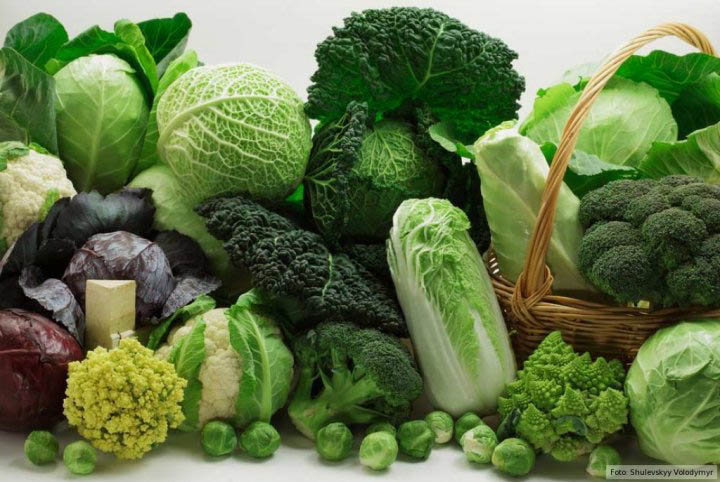
A new study emphasizes the importance of eating plenty of vegetables such as cabbage, broccoli, and kale for a healthy digestive system to prevent colon cancer. Researchers from the Francis Crick Institute in London, England found that keeping mice (Read More)
