
Current Breast Cancer Protocols And Modalities
October 20, 2014

Breast cancer is the most common cancer among American women and is the second leading cause of cancer death in women, exceeded only by lung cancer. About 1 in 8 (12%) women in the US will develop invasive breast cancer during their lifetime. In (Read More)
Halloween Less Scary with Cancer-fighting Pumpkin Recipe
October 16, 2014
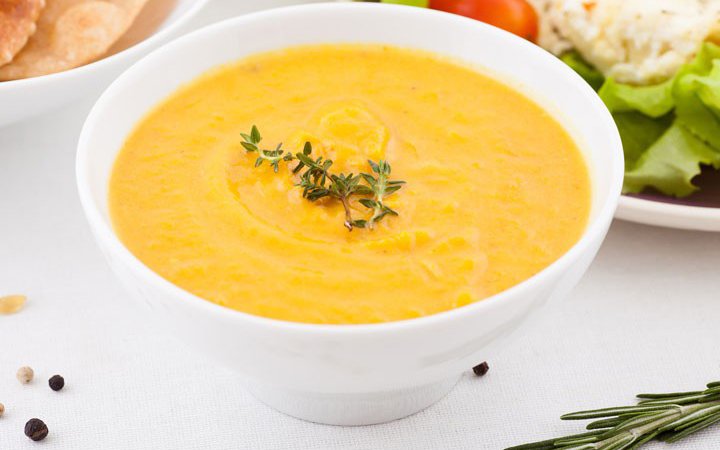
Everywhere you look this time of year, you’ll see pumpkins. In windows, on porches, and we hope on your dinner table. In the spirit of helping you eat healthier and enjoy this spooky holiday, here are the cancer-fighting benefits of pumpkins, (Read More)
Faith, Hope, and Beauty in the Face of Cancer
October 9, 2014

For anyone driving through the northern Kentucky suburb of Villa Hills, it’s easy to spot the home of Dick and Debbie Mauntel. Their yard is the one that stands out. It’s perfectly manicured, beautifully landscaped, and bursting with (Read More)
The ABCs of Your Complete Blood Count - OHC
October 2, 2014

In September, we discussed how chemotherapy treatment affects your blood cells. This month, we’re going to take the most basic approach to understanding your Complete Blood Count (or CBC). Let’s do this by simply defining the more (Read More)
Strategies for Managing Your Health Insurance Records
September 24, 2014

It’s important to have, keep, and manage your health insurance records during your illness. Although it might seem like too much of a burden to take on at this time, perhaps you can call upon a family member, close friend, or trusted bookkeeper (Read More)
How Chemotherapy Treatment Affects Your Blood Cells
September 17, 2014

Two weeks ago, we discussed how to manage your appetite during chemotherapy treatments. This week, let’s talk about how your cancer medications, including chemotherapy of course, can affect your blood counts across the three major types of (Read More)
Tips for Cancer Medication Refills
September 10, 2014

OHC pharmacy services are offered exclusively to OHC patients. Our pharmacists work directly with physicians, nurses, patients, and caregivers on the proper selection, distribution, administration and clinical monitoring of medications, regardless of (Read More)
Managing Appetite Changes During Chemotherapy
September 3, 2014

Chemotherapy is a powerful anti-cancer treatment which can affect the inside of your digestive system (from your mouth, throat, and stomach, to your intestines) which is responsible for turning the food you eat into energy for your body. It’s (Read More)
Screening and Treating Prostate Cancer
August 27, 2014

September is National Prostate Awareness Month. And with one in every five men developing prostate cancer in their lifetime, there’s a lot to be aware of. According to the National Cancer Institute, there are 233,000 new cases of prostate cancer (Read More)
Fighting the Cost of Cancer
August 20, 2014

In the last few years, we’ve seen prices rise in all areas of spending. Cancer care is not immune to this trend, and in fact, probably has experienced an increase in costs greater than other services. Consider that in 2003, the average cost of (Read More)
The Latest News in Cancer Research
August 14, 2014

With the tri-state’s largest independent clinical research department, OHC is well on top of the latest cancer news around the world — even while we’re creating our own. But we know you’re not able to spend all day, every day, (Read More)
7-Day Cancer-Fighting Meal Plan
August 6, 2014

At OHC, we’re always looking for cancer-fighting recipes for our patients. Given the wide range of needs (for those with cancer who can eat just about anything to those who can only drink liquids), Self Magazine published a seven-day meal plan (Read More)

“Worldwide, it’s the second most deadly gynecological cancer,” says Dr. Dené Wrenn, OHC gynecologic oncologist. So it’s no wonder that cervical cancer has its own national day — Aug. 16 — to remind women to get screened. The day is also (Read More)

Spending as much time as possible with her three young grandchildren is one of Darlene (Cookie) Jones’ greatest passions. So when breast cancer came along and threatened to take it all away, not just once, but twice, Cookie knew each time she (Read More)
Managing Your Patients' Fear of Cancer Recurrence
July 21, 2014

A downside to your patients becoming cancer survivors is that they will live the rest of their lives with the constant and legitimate fear of cancer recurrence. As their PCP, will you be able to help them manage their fear (which itself can manifest (Read More)
